

Celebrity gamblers What drives their high-stakes risks
The Allure of Gambling for Celebrities
For many celebrities, the allure of high-stakes gambling is deeply tied to the thrill and adrenaline rush that comes with placing large bets. This excitement offers a unique escape from their otherwise public and scrutinized lives, allowing them a sense of privacy and autonomy in an environment where they can often feel trapped. The glitz and glamour associated with casinos add to the appeal, offering an exclusive playground where they can indulge their desires without the judgment they might face elsewhere. Notably, platforms like https://jet4betcasino-australia.com/promo-code/ have become popular among enthusiasts looking for appealing bonuses.
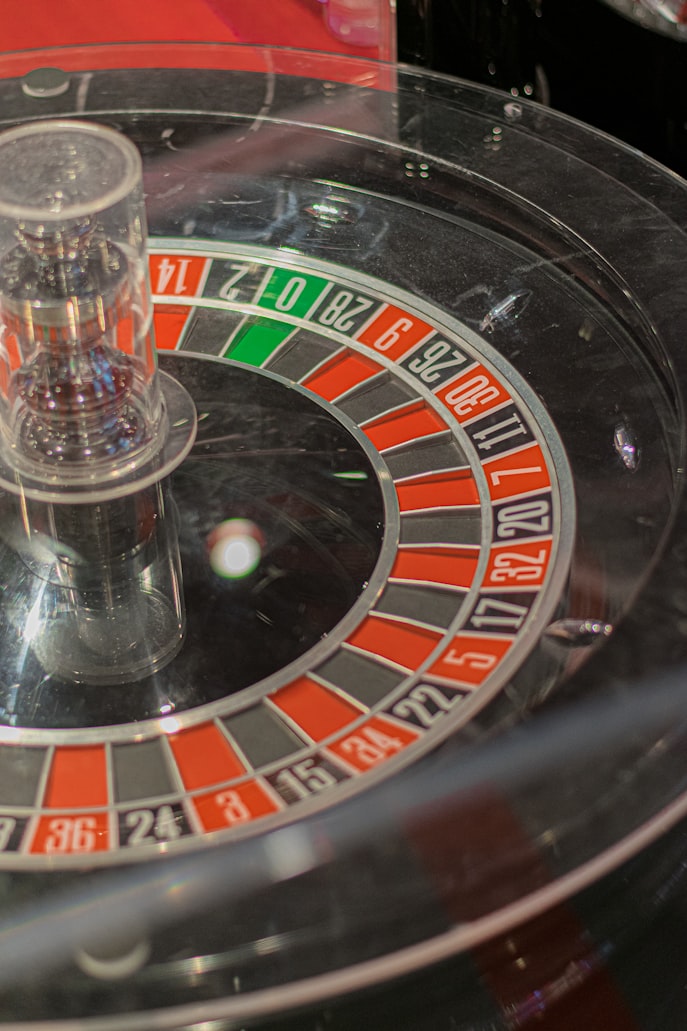
Moreover, gambling can serve as a form of entertainment that transcends conventional leisure activities. For these high-profile individuals, the stakes are not just financial; they can be tied to social standing within elite circles. Winning large sums can boost their ego, while losing can act as a cautionary tale, both in the public eye and their personal lives. This complex interplay between risk and reward becomes a captivating aspect of their identities.
Additionally, many celebrities have the financial means to gamble at levels that ordinary individuals cannot. This financial security allows them to take risks that might seem reckless or unattainable to the average person. As a result, the thrill of risking significant amounts becomes a way for them to affirm their status and freedom, making gambling not just a hobby but an integral part of their lifestyle.
The Psychological Factors at Play
The psychology behind celebrity gambling is multifaceted. Many high-stakes gamblers experience a form of thrill-seeking behavior, where the dopamine rush associated with risk-taking becomes addictive. For celebrities, who often live in a world of excess, gambling provides a stimulating outlet that keeps them engaged and entertained. This behavior often mirrors the rush they might feel in their professional careers, where every role or performance presents a gamble of its own.
Furthermore, the concept of loss aversion plays a crucial role in their gambling habits. Celebrities, like many individuals, may be more compelled to gamble to recover losses than to celebrate wins. This psychological trap can lead to a cycle where the desire to win back lost money can result in even higher stakes, causing more substantial financial risk. Understanding these psychological factors helps demystify why many celebrities find themselves drawn to high-stakes gambling.
Peer influence also plays a significant role in the gambling habits of celebrities. Many engage in this activity as a social event, where friends or other industry figures join in the fun. This communal aspect reinforces their gambling tendencies, as the experience can often include lavish parties and exclusive gatherings. The social dimension adds layers to their gambling behaviors, making it a shared experience that enhances the thrill but can also lead to risky decisions.
The Impact of Fame on Gambling Behavior
Fame influences not only the types of games celebrities engage in but also their overall approach to gambling. With their names in the public eye, many celebrities feel immense pressure to project an image of wealth and success, which often extends to their gambling habits. This perceived need to gamble at higher stakes can create a vicious cycle, where the desire to maintain their public persona overshadows responsible decision-making.
Moreover, the scrutiny that celebrities face can amplify their gambling experiences. Each win or loss is magnified, often leading to media frenzy. This additional layer of public pressure can skew their perceptions of success or failure in gambling, transforming it from a private pastime into a matter of public opinion. As such, the psychological toll of celebrity status may complicate their relationship with gambling, making it both a source of excitement and stress.
Additionally, the lifestyle that accompanies fame often intertwines with gambling habits. Many celebrities attend high-profile events where gambling is a central activity. This correlation fosters an environment where gambling becomes a normalized behavior, further blurring the lines between responsible gaming and excessive risk-taking. In this context, gambling can quickly evolve from entertainment to an unhealthy habit, especially for those already facing the pressures of public life.
Notable Celebrity Gamblers and Their Stories
Many celebrities have made headlines for their gambling exploits, showcasing the highs and lows of their experiences. For example, actor Ben Affleck is known for his poker skills but also faced controversy for being banned from a casino for counting cards. His story illustrates the dual-edged sword of celebrity gambling, where talent can lead to fame but also unforeseen consequences that come with high-stakes gaming.
Another notable figure is basketball superstar Michael Jordan, whose passion for gambling is well-documented. Jordan’s love for competition extended to high-stakes poker games, revealing how athletes often carry their competitive spirit into gambling arenas. These stories not only highlight their enjoyment but also serve as cautionary tales of the potential pitfalls associated with gambling.
Lastly, celebrity poker player Jennifer Tilly stands out for her successful transition from actress to poker champion. Her dual identity illustrates the unique connections celebrities can forge within the gambling world, using their fame to enhance their gaming experiences. Tilly’s narrative shows that while gambling can be a lucrative venture, it also requires skill and strategy, underscoring the complexities involved in this high-stakes arena.
Responsible Gambling and Celebrity Influence
As celebrities continue to engage in high-stakes gambling, the conversation around responsible gaming becomes increasingly important. Many public figures are beginning to use their platforms to advocate for responsible gambling practices, aware of the influence they wield over their fans. Their commitment can help shift perceptions about gambling from merely being a form of entertainment to a more cautious approach that acknowledges its potential risks.
Furthermore, responsible gambling initiatives are gaining traction in the celebrity sphere, with some stars participating in campaigns designed to educate their audiences. By openly discussing their experiences, both good and bad, these celebrities can foster a dialogue about the importance of setting limits and recognizing when gambling is becoming problematic. This shift not only promotes healthier behaviors but can also reshape societal views on gambling as a whole.
In addition, as online gambling platforms gain popularity, the need for responsible gaming becomes even more critical. Celebrities are uniquely positioned to advocate for platforms that promote transparency, fairness, and responsible gaming practices, helping to shape the future of the industry. By aligning themselves with these initiatives, they can contribute to a safer environment for all players, encouraging enjoyment without the risk of harmful behavior.

Conclusion: The Celebrity Gambler’s Landscape
In conclusion, the world of celebrity gamblers is as fascinating as it is complex. The thrill of high-stakes risks, combined with psychological factors and the pressures of fame, creates an intriguing landscape that continues to capture public interest. As more celebrities engage in gambling activities, understanding the motivations behind their actions becomes crucial in fostering conversations around responsible gaming and risk awareness.
As the gambling industry evolves, platforms that cater to players—like online casinos and responsible gaming initiatives—will play a pivotal role in shaping the future. Celebrities, with their vast influence, can significantly impact how gambling is perceived and practiced. By promoting responsible behaviors and transparent policies, they can help ensure that gambling remains a fun and engaging activity rather than a perilous risk.

